What is the 3 euro fee and when will it come into effect?
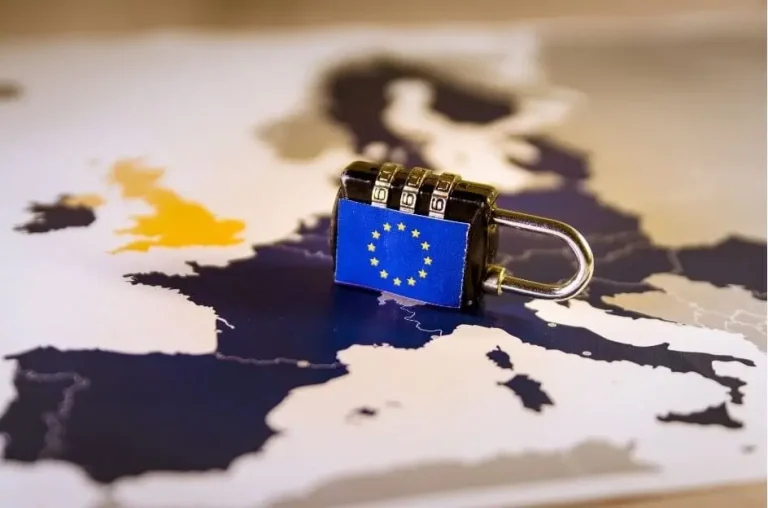
As agreed by EU countries, a flat-rate customs duty of EUR 3 will come into force from 1 July 2026 on small shipments worth less than EUR 150, which enter the EU primarily through e-commerce.
Key detail: the official EU Council communication indicated that the fee will be charged for each "other type of goods" in the shipment (by tariff classification/tariff code), and not simply "per parcel".
How does it work in practice?
| Purchase example | How many times will the 3 euros be charged? | Why? |
|---|
| 10 pairs of socks (same type) | 1× | One "product type" by tariff code |
| 5 pairs of cotton socks + 5 pairs of wool socks | 2× | Two different types of product |
| In one package: cosmetics + accessories + clothing | up to 3× (or more) | Different categories/tariffs in one order |
This mechanism is also intended to limit the artificial "division" of orders into multiple parcels, because the product structure becomes more important than the number of parcels.
Why is the EU even doing this?
The EU Council and international media point to several recurring reasons: fair competition for European sellers, consumer safety (product compliance), the fight against fraud (e.g. undervaluation) and the environmental impact of bulk, small shipments.
There is also a long-term reform in the background: the EU has already agreed on a direction to move away from the current simplifications for low-value shipments and towards a more coherent customs settlement model for e-commerce.
Temu and Shein: why does this model get the worst flak?
Platforms like Temu and Shein have built scale largely on a direct-to-consumer: shipping multiple small parcels directly to customers in the EU, with aggressive pricing and a fast turnaround on trends.
If a very cheap product is added to the fixed cost of 3 euros (and sometimes a multiple of this amount depending on the number of "types" of products), the risk increases that the "magic of the ultra-low price" will no longer work as effectively as it used to.
Possible platform reactions
- Price increases or changes to free shipping policy.
- A different way of packing and building a basket (less mixing of categories in one order).
- Stronger shift towards EU warehouses (more local shipments instead of direct from Asia).
- Transferring the cost to the seller or to the customer – depending on the platform policy and competitive pressure.
What does this mean for EU consumers?
The most likely effect is an increase in the total cost of purchase in the segment of ultra-cheap products – especially where the purchase decision was previously determined by the “almost free” package.
At the same time, another aspect may also be important for customers: if the change improves the effectiveness of control and enforcement of standards (e.g. in sensitive categories), part of the market may perceive it as strengthening the security of purchases.
Opportunities for Polish sellers: how to take advantage of the "new rules of the game"
For companies operating online stores or webshops in Poland, this isn't just "news about Tem." It's a signal that the EU is genuinely trying to level the playing field in competition with the mass import of low-value parcels. Where might local brands have an advantage?
- Faster delivery from a warehouse in Poland or the EU and predictable returns handling.
- Quality and compliance (clear declarations, parameters, instructions, product safety).
- Trust: opinions, after-sales support, clear warranty conditions.
- Fewer “cost surprises” for the customer.
In practice, a €3 fee may shift some demand to sellers who can justify the price: availability, speed, service and product safety.
Step by step: how to prepare your online store for the changes in 2026?
1) Calculate price communication and advantages
If you're competing with ultra-cheap platforms, update your arguments: delivery time, returns, warranty, quality. As the price difference narrows, the value of a "buy with confidence" increases.
2) Increase the visibility of "local"
In many industries, simple information works: "ships from Poland/EU," "returns in Poland," "invoice and support." These elements shorten the distance to purchase.
3) Increase focus on sensitive categories (security, compliance, certifications)
If you sell products where compliance and quality are key (e.g., children's products, cosmetics, electronics), expand your descriptions, FAQs, and product features sections. These are areas where consumers are more likely to turn away from the cheapest options.
4) Check the cross-border strategy
If you sell internationally, monitor how the fee will impact customer behavior in individual countries. For some markets, this could spur greater demand for local offers.
5) Organize analytics and margins in comparison sites/marketplaces
In times of regulatory change, sellers who quickly see where the basket is going and what the real margin is after shipping, returns and service costs win.
If you are developing a strategy in the digital world, check out our database: e-commerce tools and news.
What's next: customs reform and a possible "handling fee"
The €3 fee is temporary and will remain in force until a permanent solution is implemented as part of the customs reform (including the target customs calculation mechanisms for e-commerce and digital solutions).
It is also worth distinguishing two threads: the decision on 3 euros is separate from the concept of an additional handling fee (in previous proposals the amount of 2 euros appeared).
Is this really the "end of ultra-cheap shipping"?
This doesn't have to be the end of cheap shopping, but it could be the end of some of the mechanisms that previously allowed non-EU platforms to deliver goods en masse with very low border costs. As of July 1, 2026, the calculation will change – especially for mixed orders, where the fee may appear multiple times in a single shipment (depending on the number of product types).
For European sellers (including those from Poland), this is an opportunity to regain some of their advantages: speed, service, compliance, and predictability of purchases. For consumers, it means a possible price increase for the "Asian basket," but also pressure for greater quality and safety control in imports.