
Contents
What?
Dealavo is a platform for price monitoring, market analysis, and automation of pricing processes in online sales. The tool allows you to track competitor price changes, product availability, promotions, and offer positioning across various sales channels.
Why is this important?
In the digital world, price often determines the visibility of an offer, sales levels, and profitability of an entire business. Manually researching the competition with a larger product range quickly becomes time-consuming, and a delayed response can mean lost margins or customers. Dealavo helps you organize market data and make pricing decisions based on concrete information, not intuition.
For whom?
A solution for online store owners, sales managers, pricing departments, analysts, manufacturers, and omnichannel retailers, Dealavo can be particularly useful for brands and retailers managing a large number of products, operating in competitive markets, or seeking better margin control across various sales channels.
Background to the topic.
The online retail market is changing rapidly. Product prices can vary depending on the channel, availability, season, competitor activity, and current promotions. In practice, this means that companies increasingly need not only data but also tools to interpret and organize it. Dealavo aligns with this trend as a system supporting price analysis, market monitoring, and the implementation of repricing rules. For companies operating in the digital world, this can provide greater control over their offerings, faster response to changes, and better planning of sales strategies.

The broad field of e-commerce is characterized by various, often volatile, processes. Product prices fluctuate, and the market environment takes its own course at different intervals. This reality creates the need for software that facilitates the collection of information about the environment. Dealavo is one such platform for data monitoring, allowing businesses to adapt to market conditions.
This solution is designed for entities that want to gain insight into market events. Is this price tracking sufficient? Dealavo allows you to view changes, which in theory allows for subsequent reaction. When the market situation changes, you can attempt to respond.
The use of such systems involves:
- the need to monitor market conditions,
- attempting to introduce price modifications after analysis,
- observation of sales variability after implementing changes,
- building knowledge about the activities of other entities.
However, it's worth considering whether Dealavo is more than just collecting numbers? It's a platform that supports analytical processes, which requires pricing policy planning.
In the long run, this may generate:
- the need for staff to handle automation processes,
- access to a database of market data that requires verification,
- ability to make decisions based on the tables provided.
What can this technology actually do? What features does it offer, and how might they impact your work? If you're considering implementing Dealavo, it's worth taking a moment to consider.
How does Dealavo work in market analysis?
The world of sales is a landscape of simultaneous change. Prices can be volatile, and other entities are constantly present in sales channels. In such an environment, passive observation is one approach. The Dealavo platform is an analytical tool that offers sellers market insights and allows them to attempt to modify their strategies.
What does this look like in practice? The software allows you to view historical price movements, providing a basis for reacting to situations—whether resulting from increased interest or moves by other companies. This is a workflow that requires time for analysis.
Elements of the Dealavo analytical panel
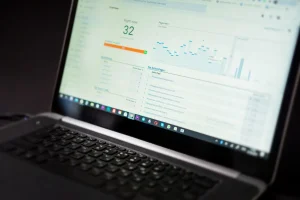
The main part of the Dealavo user interface is the dashboard, which presents collected data. Using it, you can:
- view charts and tables,
- set notifications about identified changes in other entities,
- try to take steps based on the records collected.
The system also has a rule automation module, referred to as repricing.
The repricing process
- The user defines his own parameters and pricing rules.
- The software scans selected parts of the market for changes.
- The system tries to update the data based on previously made assumptions.
Does it save time? In theory, yes, although with a wide range of products, manual configuration and rule validation can be time-consuming. This solution is for companies that accept the need for constant monitoring of algorithm performance.
Dealavo's operation in selected areas of digital sales
In the online retail sector, where pricing parameters vary depending on the location of the offer—from various platforms to online shopping sites—Delavo serves as data collection software. It allows for the parallel compilation of information from multiple sources, theoretically enabling the adjustment of pricing levels to specific market segments.
Is the data collection sufficient? For example, if a product has a different value in one location than in another, Dealavo's software records this and generates an appropriate notification. This process is similar to the work of an additional analyst who verifies data at specific intervals, requiring the user to constantly monitor the flow of information.
Opinions and observations regarding the use of Dealavo
People using the Dealavo platform pay attention to selected aspects of the system in their processes, such as:
- a specific user panel that requires mastery for everyday record management,
- standard configuration procedures necessary to start working with data,
- the ability to contact technical support for operational matters,
- adhering to specific administrative procedures within the framework of cooperation.
The process of collecting data on the market environment
In e-commerce, monitoring price changes is one of the analytical processes. Using Dealavo software, you can collect information about rates in selected online locations, allowing you to view how data is shaping up at other entities. This model of work is based on collecting knowledge that can be useful in planning activities.
Thanks to databases of online stores and selected websites, users have access to price comparisons. What does this mean in practice? Instead of searching the internet traditionally, you receive market data files, reducing the number of individual searches. This allows you to try to maintain an overview of prices, although it requires time to analyze and draw conclusions from the tables provided.
Scanning price levels in sales channels
Dealavo's functionality allows for simultaneous data collection from multiple channels. The system operates at specific time intervals, allowing access to periodic reports. Does this allow for quick decision-making? This depends on the efficiency of the analyst operating the panel.
This process relies on product identification codes, such as EAN, which facilitates the system's matching of records to the database. While automated comparisons reduce the need for manual price entry, the user must consider the need to verify the accuracy of these matches.
Why is this being considered by companies?
- Reducing manual processes: reducing the need to individually check online offers.
- Using EAN parameters: making it easier to organize product information databases.
- Large assortment modeling: support for database management with multiple commodity indexes.
- Actions based on reports: the ability to modify the strategy after analyzing the received data.
The scope of market analysis in analytical systems
Dealavo functions as a market intelligence platform. It allows you to compare offers based on parameters such as price and availability, providing a comprehensive picture of your competitors' distribution.
Reportable areas
- Rate comparisons: the ability to compare numerical values across selected entities.
- Availability statuses: checking whether a given item is marked as available in the sources being tested.
- Promotional Mentions: Recording information about discount activities conducted in the market.
- Observing the presence of the offer: analyzing the places where products from other sellers appear.
If the system detects that other entities are only changing their strategy in certain categories, the analyst may attempt to refocus the company's efforts on more stable areas. This model supports long-term planning, while requiring significant engagement in the interpretation of raw market data.
Market change identification and notification systems
In e-commerce, price reductions by other entities can impact the profitability of other sellers. Aggressive competition for customers can result in price fluctuations and market shifts. The Dealavo system includes features for recording such events, allowing for the software to provide insight into the situation.
Thanks to notifications generated by the system, users receive information about changes occurring at other entities. Based on this, considerations can be made:
- Price Rate Modification: Consider reducing your price to match the market average.
- Insight into promotional activities: observing other forms of differentiation without interfering with the product price.
- The decision not to react: adopting a wait-and-see attitude, assuming that changes are temporary.
In this way, analytical departments can try to avoid hasty steps and strive to maintain the level of operating profit at the established level while remaining present in the market database.
Automated pricing processes in reporting systems
In digital commerce, where data is frequently updated, methods known as Dynamic Pricing are one of the models for managing offers. Using the Dealavo system, the software attempts to apply price adjustments based on recorded past data. This allows for the implementation of a strategy based on the historical data provided by the software.
The entire process is based on monitoring mechanisms, which theoretically provides insight into factors such as:
- potential change in interest in a given product category,
- information about sale processes at other sellers,
- notifications of identified reduction activities.
In such situations, the software allows you to monitor current margins, trying to keep up with information coming from the market database.
How Dynamic Pricing Works in Analytics Software
This mechanism in the Dealavo system relies on automation procedures combined with constant user supervision. This process is based on patterns previously defined by the analyst that attempt to manage pricing.
The operator sets parameters such as:
- desired level of markup on products,
- target price positions relative to selected data sources,
- responses to identified changes in entities considered significant.
This process allows for an attempt to reduce manual adjustments by implementing system schemas. The system strives to adapt to:
- requirements set by a given category of goods,
- characteristics of the selected product range,
- previously adopted operational assumptions.
This solution generates a set of rules for the user that attempt to support business processes. It's important to note that each market segment may require different definitions in the system control panel.
Rules definition procedures and their role in pricing schemes
Rules in the Dealavo system are a set of technical logical conditions that the program uses to interpret signals from monitored sources. Using these schemes requires the user to include parameters in the panel such as:
- identified price levels from other entities,
- data on inventory levels in the system database,
- information on cyclical volatility,
- specificity of selected calendar days.
Defining these relationships is an analytical process that strives to maintain a specific data structure. By implementing these mechanisms in the control panel, users can attempt to oversee pricing policies within the available software functions.
The use of conditional schemes is:
- an attempt to standardize responses to market changes,
- in-depth analysis before data modification,
- increasing the amount of information processed,
- statistical consistency of rates across a product range.
Price correction process – repricing in analytical systems
The concept of repricing in Dealavo software refers to the technical process of updating price records in response to recorded changes in the database. The system analyzes the collected information and attempts to make corrections to the tables, with the following goals:
- passive adjustment to market averages,
- monitoring competition levels in selected sources.
The use of these mechanisms is noted in sectors with high dynamics of change, such as trade in electronic devices, clothing products and everyday goods.
Dealavo's available data modification tools track identified movements of other market players. The system includes features that enable:
- a downward adjustment when a record of a new promotion from another seller appears in the database,
- upward adjustment when the recorded data indicate a change in the level of product availability.
The result of implementing these procedures is digital process management, which constitutes an operational element within the company's structure. Repricing functions here as a technical supplement that attempts to support the implemented strategy in the selected sales channel.
Attempts to modify prices from an operational perspective
In today's digital sales environment, where the number of market players is constant, attempts to modify prices are one of the analytical processes. Using the Dealavo platform, users can monitor data and try to adjust it to market variables recorded in the system dashboard.
The pricing data management processes in this model are aimed at:
- observing potential profits in data sheets,
- monitoring the presence of the offer in selected lists,
- attempting to respond to movements recorded in the database.
Building a pricing policy based on such comparisons is a process that requires numerical analysis. It can influence decision-making processes and statistics on offer interest, which is crucial for marketing structures seeking to control budget expenditures.
Analytical approach to conversion rates and ROAS
Modifications to price records in databases are a factor taken into account when analyzing buyer behavior. Numerical parameters can determine how an offer is displayed alongside other entities in comparison systems.
With the help of Dealavo software, you can try to adjust your rates in terms of:
- general market conditions recorded in reports,
- previously identified movements of other sellers,
- changes in trends observed in the data in selected product groups.
The aim is to strive to stabilize results within the existing operating budget, which is a component of e-commerce analytical processes.
Monitoring margins in data systems
Managing markup levels in online sales can be a complex process. It requires finding a balance between price and target operating profitability. Dealavo provides features that enable pricing based on provided records, such as:
- historical analyses,
- trend data,
- actions of other entities.
Characteristics of the software process
- If discounts from other sellers are recorded in the database, the system tries to react according to the configuration.
- The mechanism tries to stick to the profitability locks defined in the panel.
- This allows you to try to protect your margin level while maintaining your presence in the monitored channels.
- It is a systematic approach to pricing operations, based on attempts to automate processes.
Creating market groups and modifying rules in the system
Through segmentation, or dividing the market into smaller groups, reporting systems strive to organize the customer base. Dealavo allows for the creation of various price definitions for selected market categories.
Ways to use these mechanisms in the panel include:
- setting different rates for low-cost groups,
- defining conditions for new records in the user database,
- assigning rules to selected locations or data sources.
This database modeling is a way to organize strategies, which in a technical documentation-based environment is seen as a method of managing product information.
Dealavo integration procedures and technological resources
In an era of digitalization, where technical solutions are an integral part of e-commerce structures, Dealavo software strives to expand its functionality. The system offers connectivity to select ERP databases and some offer publishing platforms, supporting data collection processes.
The aim of these activities is:
- an attempt to limit some manual operations,
- taking steps towards systemic information processing,
- monitoring registered market changes in the panel.
These functionalities are an element of information management, which is considered by entities seeking to organize their databases.
Digital sales environments require a certain amount of bandwidth and the collection of large sets of records. These solutions enable integration with external IT structures, which aims to manage the pricing information database and reduce errors resulting from manual record entry. As a result, users gain insight into the processes occurring within the system and the administration panel.
Using APIs in reporting systems
API access in Dealavo software is one of the modules used for data transfer. It allows you to connect to selected sales structures—from large aggregators to individual storefronts.
As part of this process, the user may note:
- system synchronization of records in the pricing database,
- transferring some processes to the digital environment,
- an attempt to reduce incidents related to manual table processing.
Using the API, it's possible to monitor market changes in cycles defined within the system. For example, if the database records a change for another vendor, the software will generate a modification proposal in the strategy management panel. This data management format is useful in areas highly saturated with numerical information.
The role of Machine Learning mechanisms in database organization processes
The Dealavo system utilizes machine learning solutions to support operational analytical tasks. Using machine learning technology, the software processes large sets of records to identify patterns in tables and generate reports that require further interpretation by specialists. This data model supports IT and analytics departments in their daily work.
Application of algorithms in the panel
- Analysis of recorded trends: allows you to note changes in market statistics.
- Making rate modifications based on recorded cycles: This is part of price record management.
- Gathering information for subsequent analyses: This is achieved through the systemic processing of large data sets.
As a result, the user receives a set of information that constitutes material for further planning processes within the digital resources available.
Record verification procedures and their impact on the quality of reports
In database environments, the process of verifying information is a component of data quality management. The Dealavo system implements control processes to verify the accuracy of collected records before their final display in the user panel.
Characteristics of the control mechanism
- The information is run through independent databases or scripts to confirm its accuracy.
- A verification filter is created to detect errors in offer matching.
In practice, the use of such verification procedures means a longer wait for the final report, which is essential to maintaining technical standards in product management. This is a systematic approach that emphasizes the accuracy of archived data as part of market analytics.
Dealavo's functioning in terms of multi-channel data collection
In online sales structures, where new data sources are recorded daily, Dealavo software serves as a record monitoring tool. It allows companies to gather information about changes, allowing them to adapt to market conditions. With Dealavo, database compilation processes in multiple locations become a part of offer management, which is recorded in product presence statistics.
Being present in external offer aggregators or advertising systems requires collecting a large amount of information. Dealavo allows you to view price levels and analyze received market reports. For example, when the database records a change in value for another seller in a given system, the software generates a notification that the user can verify in the management panel.
This entity functions as a data summary panel. Thanks to its analytical features, it is possible to:
- reviewing tables with market trends to plan cyclical strategies,
- recording information about discount activities conducted online,
- monitoring the display status of offers in the tested channels,
- archiving results based on the provided price tables.
Managing records in aggregators and market databases
Systems that collect offer data are a crucial element of the sales ecosystem. Dealavo offers features for reviewing and collating information from these sources, allowing changes to be recorded in system-defined cycles.
Databases that organize information from multiple sources are used by software to:
- insight into the positions of records in database rankings,
- recording changes in the level of value of other entities,
- collecting information on trends in statistical terms,
- attempts to maintain the markup level within the existing statements.
Implementing data from these sources allows for compiling a product database in terms of their technical and price parameters, which is an element of managing digital resources in the analytics department.
Data analysis in advertising systems and campaigns
External advertising systems are a crucial area of commerce. For a product to be listed in these structures, a comprehensive market data set is required. Dealavo provides data that can be used in campaign planning processes.
With this tool you can:
- monitor price records at specific time intervals,
- correct data in the panel depending on the changes noted,
- observe database performance indicators in terms of budget,
- compile information on the conversion of collected offers into reports.
It is a technical approach to managing information databases that provides the data necessary to understand the reaction of a statistical recipient to the presented product database.
Grouping pricing rules according to the specificity of data sources
Each data source has its own technical characteristics. The Dealavo system allows you to assign specific price definitions to selected data channels, which is part of the process of organizing the offer database.
Differences in operational loads, data structures, and external system logic often make universal comparisons insufficient. The software identifies these technical parameters and allows for modifications to the panel for a given channel.
Data Channel Matching Examples
- Comparison systems: lowering the rates in the table due to high saturation with low-value records.
- Global aggregators: Increasing table rates due to increased record handling costs and system requirements.
- Local services: custom settings due to high data fluctuation in temporary databases.
Matching records to their source is a data management process that is part of the long-term archiving of results.
Dealavo provides tools for:
- separating information flowing from different IT structures,
- responding to changes in a time adapted to server performance,
- monitoring the total range of the commodity base,
- maintaining an offer structure consistent with the technical requirements of the market.
Statistics overview
Managing digital commerce processes requires market intelligence. The Dealavo system provides a specific range of analytical data that helps organize information across operational areas.
- Record Change Recording: Allows you to record fluctuations in demand statistics and periods of increased transaction volume.
- Archiving the activities of other entities: allows you to view recorded rate changes and periodic reduction campaigns.
- Grouping the offer according to local structures: supports the processes of adapting records to technical requirements in specific locations.
In an environment where data is updated in systems at various intervals, having a historical database is essential. Analyzing these data sets serves to document decision-making processes, such as:
- documenting the moments when the rate was adjusted downwards,
- monitoring periods in which the product markup remained constant,
- designating product categories to be displayed in a given time period.
Records administration on a multi-regional basis
Operating across multiple geographic areas requires taking into account differences in currency and tax parameters. This requires a distinct approach to reporting processes in each of the systems studied.
Dealavo software provides dedicated data collection features based on these technical parameters. This is used in B2B structures where there is a need for:
- maintaining a certain precision in data sheets,
- maintaining consistent product documentation,
- standard processing of market records.
Price modification processes across various regional systems are part of the operational margin accounting process. These activities aim to:
- recording presence in competitive databases,
- recording information about local price reduction campaigns of other entities,
- documenting changes resulting from operating costs and data transmission,
- attempting to use available information resources.
The result of implementing these reporting mechanisms is the archiving of sales results and documenting the entity's position in global trade reports.
Process characteristics and technical aspects of working with Dealavo
In a digital commerce environment where large collections of records are collected, the choice of pricing software is operationally significant. Dealavo serves this purpose – a platform for recording changes in tables, allowing for the transfer of some analytical processes to a database system.
Instead of manually verifying external entities' actions, the software archives these records in a dashboard, providing insight into historical market rates. This allows for the maintenance of documentation of market changes recorded by the system over time.
This process also involves attempts to adapt records to the conditions recorded in the database. Analytical modules allow for reviewing recorded changes and drawing statistical conclusions based on them. This data processing format requires the user to interpret the provided results.
For example, if the database records a change in the value of a specific product index—for example, in the audio accessories category—the system might attempt to make an adjustment to the pricing table according to predefined logic. This process depends on how frequently records are updated in the system.
Functional areas for entities using databases
For organizations engaged in market analysis, Dealavo provides a tool for documenting pricing policies—from monitoring records to attempting to systematically update rates. Operationally, this involves several aspects.
- Markup monitoring: attempt to maintain profitability parameters based on the information tables provided.
- Data processing: automation processes aim to shorten the path of recording information in the database.
- Change of work model: transition from manual verification to systemic handling of market notifications.
These features support statistical analysis of third-party activities, allowing for the gathering of knowledge about general market trends. This data serves as material for developing operational documentation and long-term archival reports. As a result, Dealavo functions as a system supporting processes within analytical and offer administration departments.
Operational Challenges and Platform System Requirements
Using complex analytical systems like Dealavo comes with specific procedural requirements. One of these is the need for staff capable of interpreting generated alerts. Record automation is a technical process that does not replace strategic planning. Organizations lacking sophisticated analytical frameworks may encounter difficulties in fully utilizing the provided datasets.
Another aspect is the complexity of tool configuration. Dealavo offers extensive technical features that require implementation processes.
An organization using Dealavo must take into account the need to:
- Preparing staff to operate the panel: necessary for the correct definition of logical rules in the system.
- Time-consuming process adaptation: introducing a new reporting methodology requires the involvement of human resources.
- IT support: especially in the initial phase of integrating the database with external systems.
- Development of technical pricing definitions: allows system mechanisms to process records correctly.
For smaller organizations, this can be a significant process burden. It's important to remember that this process requires consistent workload to ensure consistent market data and documentation of other vendors' activities in the operational dashboard.
Directions of evolution and operational plans of the Dealavo system
The analytical software sector is undergoing a process of change aimed at modifying existing functions. Dealavo declares that it is taking steps to expand its international presence. One of the planned areas of investment is an attempt to record prices in external markets, which is intended to gather data on statistical trends in global record collections.
This approach builds an information base and creates potential options for entities managing data beyond the borders of their home region. It's a process based on digital commerce planning, which requires time to fully implement.
At the same time, plans are being made in the area of technical support. The use of machine learning scripts in price list generation systems is one of the stages of database development. Using algorithms, the software will strive to suggest numerical parameters, which are saved in the user panel as proposals for analysis.
This project aims to support e-commerce change archiving processes and maintain record accuracy. This is an operational element that is part of the overall product information management strategy in the database.
Dealavo's place in pricing strategy reporting structures
In an environment where data parameters are constantly updated, price record management is essential for maintaining the integrity of an online store's database. Dealavo serves as a data provider for tracking market changes.
By collecting and analyzing price records, platform operators can make corrections to their offer lists.
This affects:
- the ability to modify data in the administration panel,
- recording movements recorded in competitive tables,
- attempting to match rates to the conditions archived in the system,
- archiving results in statistical terms.
The Dealavo system provides data used to prepare documentation affecting processes within the company.
The method of operation includes:
- reviewing archived data to understand previous records in the database,
- using statistics to make predictions about future records,
- generating price suggestions in the panel, which require verification before implementation.
In an era of market saturation with information, Dealavo operates as a provider of technology supporting market recording and reporting processes as part of business tasks.

Marcin Stadnik
e-commerce advisor
The author is a manager with extensive experience in e-commerce, sales strategy, and content marketing. He is a digital practitioner and consultant with over 15 years of experience in e-commerce projects, sales strategy, and online business development, as well as 25 years of experience in broadly defined distribution (offline and online). He specializes in creating and implementing effective solutions for online stores, supporting companies in developing their digital presence. He co-creates appropriate strategies for e-businesses, conducts audits, and oversees marketing activities—always combining analytical knowledge with market practice. He is the author and co-author of content published on the swiatcyfrowy.pl website—based on his many years of consulting, analytical, and operational experience. The materials created are intended to provide reliable, valuable knowledge that truly supports the development of online businesses. The content here is designed to address the real challenges and needs of companies operating in the e-commerce environment (the digital world).